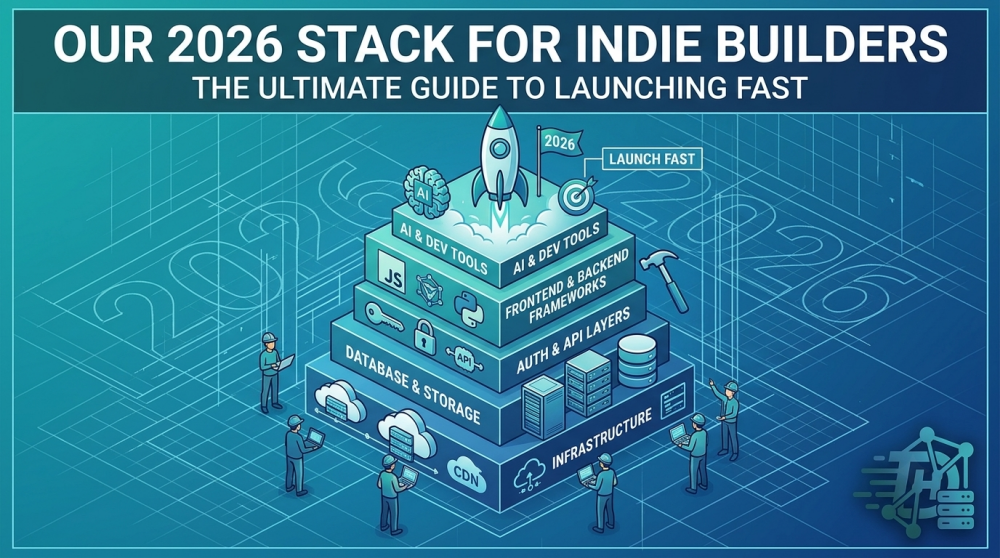
But with hundreds of frameworks, databases, and AI APIs dropping every week, how do you choose a stack that lets you ship fast without hitting a technical brick wall later?
The goal for an indie builder is simple: minimize time to market, keep fixed costs near zero, and leverage automation.
Whether you are working on your first MVP (Minimum Viable Product) or scaling a side hustle, here is our definitive, battle-tested tool stack for indie builders.

1. The Frontend & Framework: Speed Over Everything
Your framework dictates how fast you can turn an idea into a functional user interface. For solo founders, choosing a framework with a massive ecosystem of pre-built components is crucial.
- Next.js (React) or Nuxt (Vue): These remain the gold standards for modern web apps. They handle both server-side rendering (which is excellent for your site’s SEO) and static page generation out of the box.
- Tailwind CSS: Do not waste hours writing custom CSS. Tailwind allows you to style your application directly inside your markup, speeding up UI development by an estimated 40%.
- Shadcn/ui or DaisyUI: Instead of building buttons, modals, and dropdowns from scratch, use these copy-and-paste component libraries to get a beautiful, accessible UI instantly.
2. The Backend & Database: Zero-Config Scaling
As a solo builder, you do not have time to configure Linux servers or manually manage database backups. You need serverless solutions that scale automatically and offer a generous free tier.
| Component | Our 2026 Choice | Why We Love It |
|---|---|---|
| Database | Supabase | Gives you a full Postgres database, built-in user authentication, and instant API generation with almost zero configuration. |
| Authentication | Clerk | Handling security yourself is a liability. Clerk implements secure social logins (Google, GitHub, Apple) in under ten minutes. |
| Storage | Cloudflare R2 | Unlike traditional cloud storage, R2 charges zero egress fees (fees for data downloads), saving massive infrastructure costs as your app grows. |
3. The Secret Weapon: AI Integration & Code Assistants
In 2026, you aren’t building alone. AI co-pilots act as a virtual development team, handling everything from boilerplate code to complex debugging sessions.
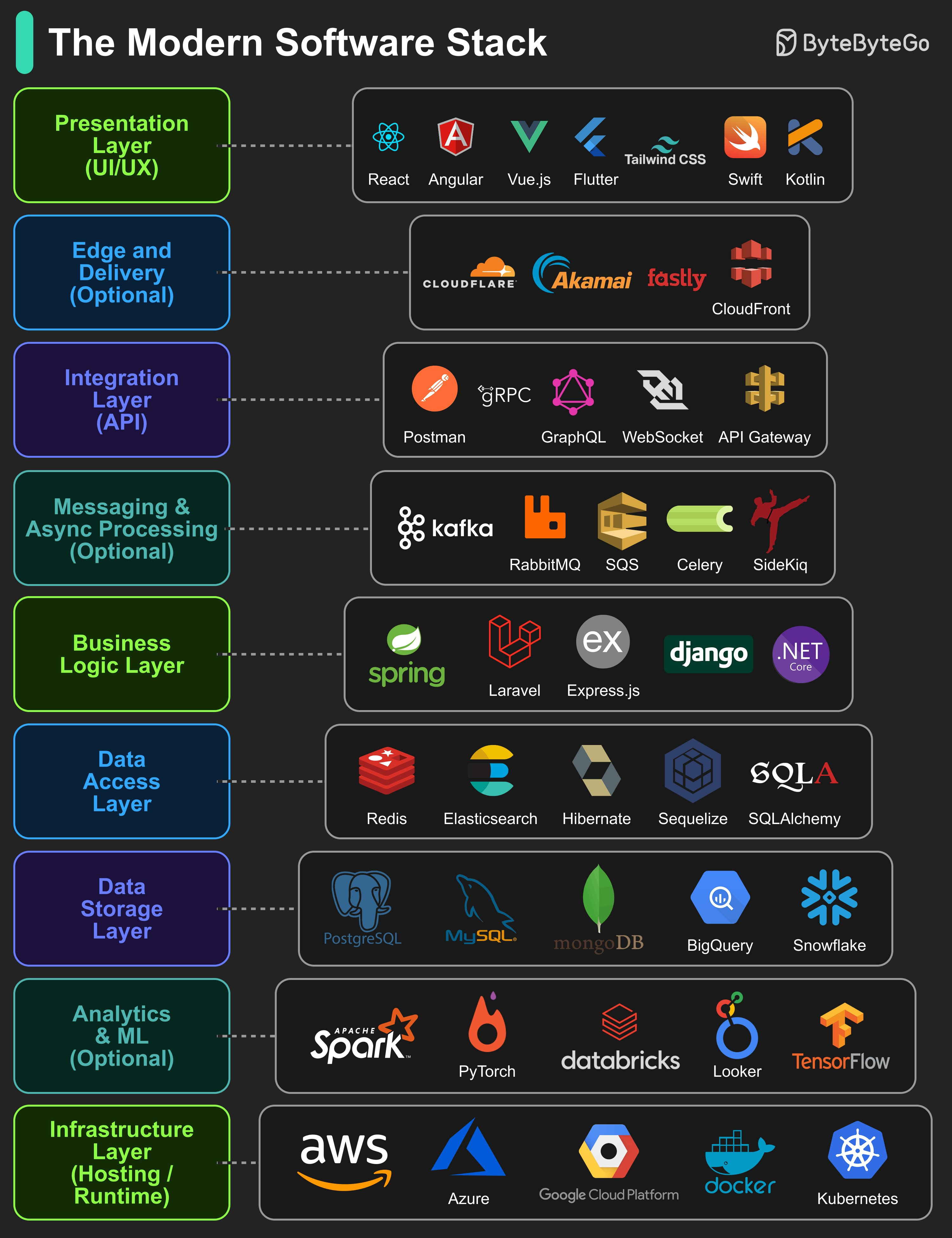
- Cursor Editor: Cursor has heavily disrupted traditional code editors. It is an AI-first fork of VS Code that can write, refactor, and edit your entire codebase via natural language prompts.
- V0 by Vercel: Simply describe the user interface you want (e.g., “Build a SaaS dashboard with a sidebar navigation”), and V0 generates clean, production-ready React and Tailwind code instantly.
4. Hosting & Deployment: One-Click Launches
Gone are the days of manual FTP uploads. Your deployment pipeline should be fully automated: you push code to GitHub, and your live website updates automatically.
- Vercel: The absolute best platform for hosting Next.js and frontend applications. Vercel includes global CDN edge routing and automatic SSL certificates out of the box.
- Railway: If your indie product requires a continuous background server or database worker, Railway handles hosting with a dead-simple Git-push workflow.
5. Payments & Monetization: Getting Paid
An indie project isn’t a business until someone pays you. Do not spend weeks trying to build complex subscription logic or handling international tax compliance.
- Stripe: The undisputed king of online payments. Using Stripe Checkout lets you accept cards, wallets, and local payment methods globally with minimal setup.
- Lemon Squeezy: If you do not want to deal with international sales tax compliance (like EU VAT), use a Merchant of Record (MoR) like Lemon Squeezy. They handle the legal tax collection so you don’t have to.
How to Choose Your Path
Every project is unique. To figure out exactly where to start your stack, follow this sequence:
-
1Define Your Core Product NeedDetermine if your app is highly interactive (needs a robust frontend framework) or data-heavy (needs a robust backend database).
-
2Set Up Your Development WorkspaceDownload your code editor of choice and connect it to your GitHub account to maximize your coding speed from day one.
-
3Integrate Authentication and Billing EarlyDo not leave payments for the last minute. Plug in user management and checkout systems before you build the core features.
-
4Deploy a Bare MVPConnect your code repository to your hosting provider. Push a single landing page to live production to ensure your pipeline works before writing complex application logic.
The Golden Rule of Indie Building: Use the tools you already know best for 80% of your stack. Only introduce a new tool or framework if it solves a critical, immediate bottleneck that keeps you from launching this week.
What tools are in your stack?
We want to hear from you! Bookmark our homepage and leave a comment below letting us know which platforms you are using to launch your projects this year. For a deeper dive into version control best practices that pair perfectly with this stack, check our guide to Modern Git Workflows for Small Teams. Many indie builders also benefit from exploring self-hosted development environments for greater control, and our full breakdown of AI Tools for Developers in 2026.